
Which is better for flooring: marble, granite or tiles?
Which is better for flooring: marble, granite or tiles?
Where do you live? What is the climate like? Do you have children or pets? What is your budget? And which rooms will it be used in?
There are so many flooring options that it can become overwhelming. But the best way to choose is usually to answer the questions above. Below I will give you a short list of the most popular types of flooring and their pros and cons, which will hopefully be helpful.
You will notice that I have not discussed price because, when it comes to cost, it varies considerably depending on where you live, how plentiful and close the natural resource is, and how experienced contractors are at installation.
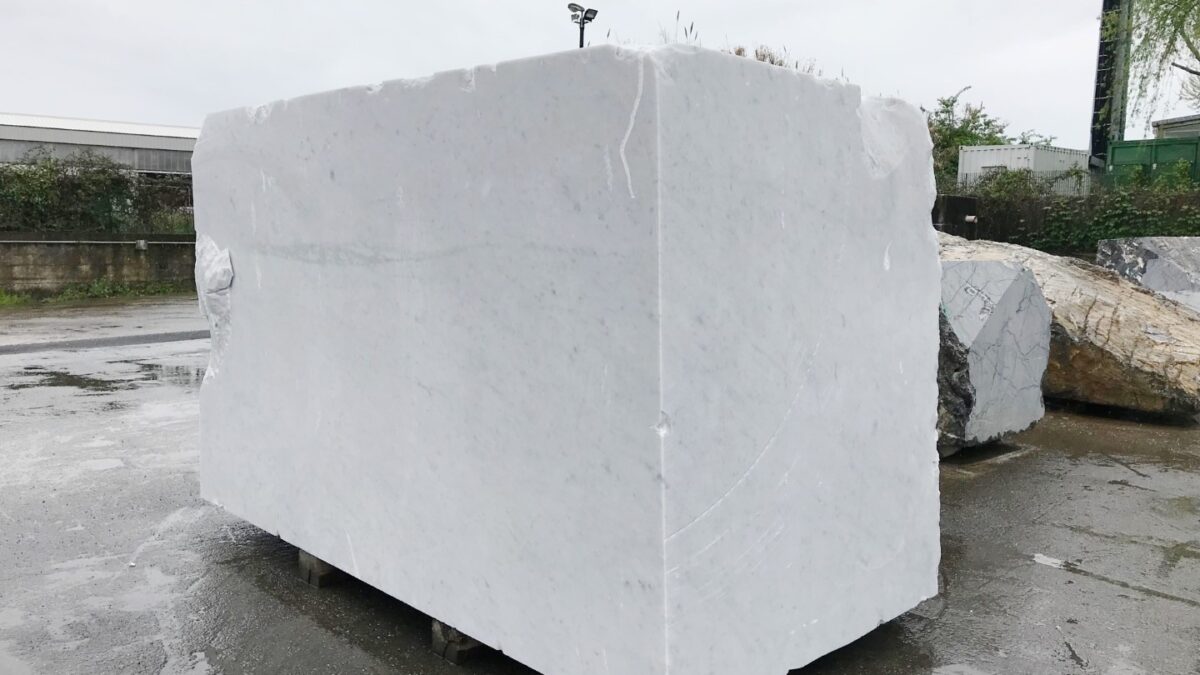
Hardwood: retains heat (good for cold climates) – easy to clean but with care – needs maintenance but can last a long time – very adaptable, and its look can easily be changed later by staining it – gets damaged quickly but can be repaired easily. Easy to install. Engineered wood: unlike solid hardwood, it has a thick layer of hardwood (I think close to 3 cm) on an engineered, treated base. Do not confuse it with laminate, which has only a thin layer of veneer. The advantage is that it has all the benefits of wood, because ultimately it is wood, to the extent that it can be sanded and refinished up to 2 times in its life. It also copes better with moisture because it has been treated for it, making it a better option for places such as kitchens and bathrooms. It will still scratch and need maintenance. You can also find a wider variety of wood options: because the base is treated and modified, more expensive and softer woods than normal hardwood can be used. Easy to install. Tiles: there are two types, ceramic and porcelain. The main difference between them is that porcelain is pure silica all the way through. Ceramic tiles have a tile layer of about 2 cm on a base (usually cement). They work better in warmer environments because they do not retain heat. Very low maintenance, tough and easy to clean. They come in a huge variety of sizes, colours and designs. There are even options that most people think are actually hardwood, but they are harder to install and usually require a suitable subfloor to ensure proper installation. They are prone to cracking if there is no room for them to expand and contract (not installed correctly). If one of your tiles breaks a few years down the line and you have no spare tiles, it will be very difficult to do a quick fix and you will probably have to replace the whole floor. Stone (slate / limestone / etc.): a porous material that does not retain heat. Usually at the upper end. Tough but needs a lot of maintenance. Usually rough underfoot in its natural state (processed slate in tile form, although closer to ceramic tiles than to natural stone). Colours and options are limited. Difficult to install. Laminate: generally cheaper. Tough. Low maintenance. No problems with moisture. Many varieties, colours and designs. It will need an underlay. Easy to install. Cork: a renewable material. Soundproof. It can be a good substitute for hardwood as it looks similar but is tougher (does not scratch easily). Retains heat (great for colder climates). Not as moisture-resistant as tiles and laminate. Marble (granite): granite is not a flooring material as it is extremely hard to cut. Marble is a porous material suited to warmer climates as it does not retain heat. But this also means you need to be careful with moisture. Tough, and it can easily be repaired by honing the top layer and refinishing. Many options and sizes. More variety than tiles because you can cut it into any shape you like or have large seamless marble slabs (although more expensive). Difficult to install. Concrete (tiles or poured): not many options or colours (you can paint it, though). Very heavy, so you need to check the limits of the structure before considering it as an option. Very tough and durable. Prone to cracking, especially in colder climates. Porous and does not retain heat. Very industrial look. Difficult to install. Vinyl: many designs, colour options and varieties. Very tough, durable and low maintenance. No problems with moisture, but it will need an underlay. It comes in sheets and tiles. Easy to install. Metal sheets or tiles: not very common. Prone to dents and scratches. Does not retain heat. Very smooth – will cause problems with grip. It will need an underlay. Difficult to install. Last but not least, carpet: easy to install, great for cold climates. Lots of styles and colour choices. Tough. Needs care with spills, but otherwise easy to clean. A great deal of variety in terms of price. Difficult to repair without replacing the whole carpet.